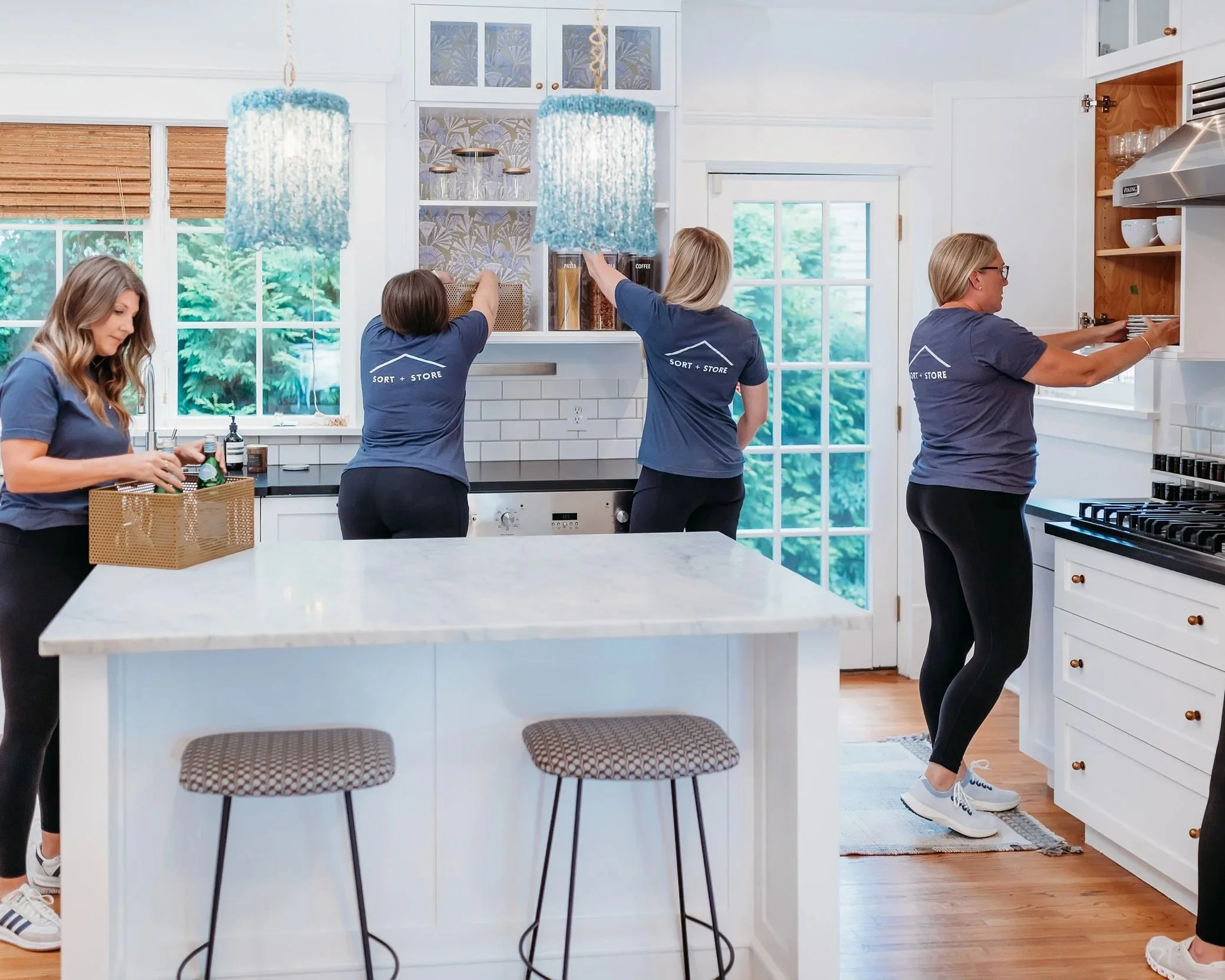
Most families don’t set out to organize their entire home—they’re just trying to fix what’s not working. Usually it’s one space that finally pushes them over the edge.
But over time, it becomes clear that the issue isn’t one space—it’s how everything connects. When things aren’t working together, even the most organized room won’t stay that way for long.
A whole-home approach looks at things differently. Here’s what that process typically looks like:
1. Identifying What’s Actually Not Working
One of the biggest myths about getting organized is that the visible clutter is the real problem. The truth is, it’s just the symptom.
Behind overflowing counters, crowded closets, and messy drop zones, there are usually deeper breakdowns happening:
routines that no longer work
systems that were outgrown years ago
too much volume for the space
or homes that weren’t designed around the family’s lifestyle
It’s rarely just one thing—it’s a pattern that’s been building for a while. That’s why whole-home organizing starts with observation before action.
We ask questions like:
How does the family move through the house?
Where do things naturally pile up?
Which routines create the most stress?
Where are things constantly slowing you down?
This stage is less about containers and labels and more about understanding how daily life is actually works in the home. That way, when we build the organizing systems, they actually fit your life and hold up over time.
2. Letting Go Before Organizing
Another step that we help you work on before organizing begins, is editing out the items in your home that you no longer need, want or love. This is often the hardest part emotionally—because it’s much easier to move things around than decide what to let go of— but it can also be one of the most transformative.
Many families have spent years accumulating things, and many of them no longer realistically fit their routines or current season of life. Without editing first, even beautiful organizing systems can quickly become overcrowded and difficult to maintain.
We ask questions like:
What still serves this family?
What no longer fits?
What’s creating unnecessary visual clutter and mental weight?
3. Looking at the Home as One Connected System
One reason whole-home organizing feels different from room-by-room projects is because the spaces are evaluated together instead of separately.
The truth is, homes don’t function in isolated rooms. When one area becomes overloaded, the effects usually spread quickly into surrounding spaces. That’s why organizing one room often creates temporary relief without solving the larger issue.
A whole-home approach allows everything to work together instead of competing against each other.
It also creates opportunities to rethink:
where items are stored
how routines flow
where categories belong
and how the home can better support everyday life overall
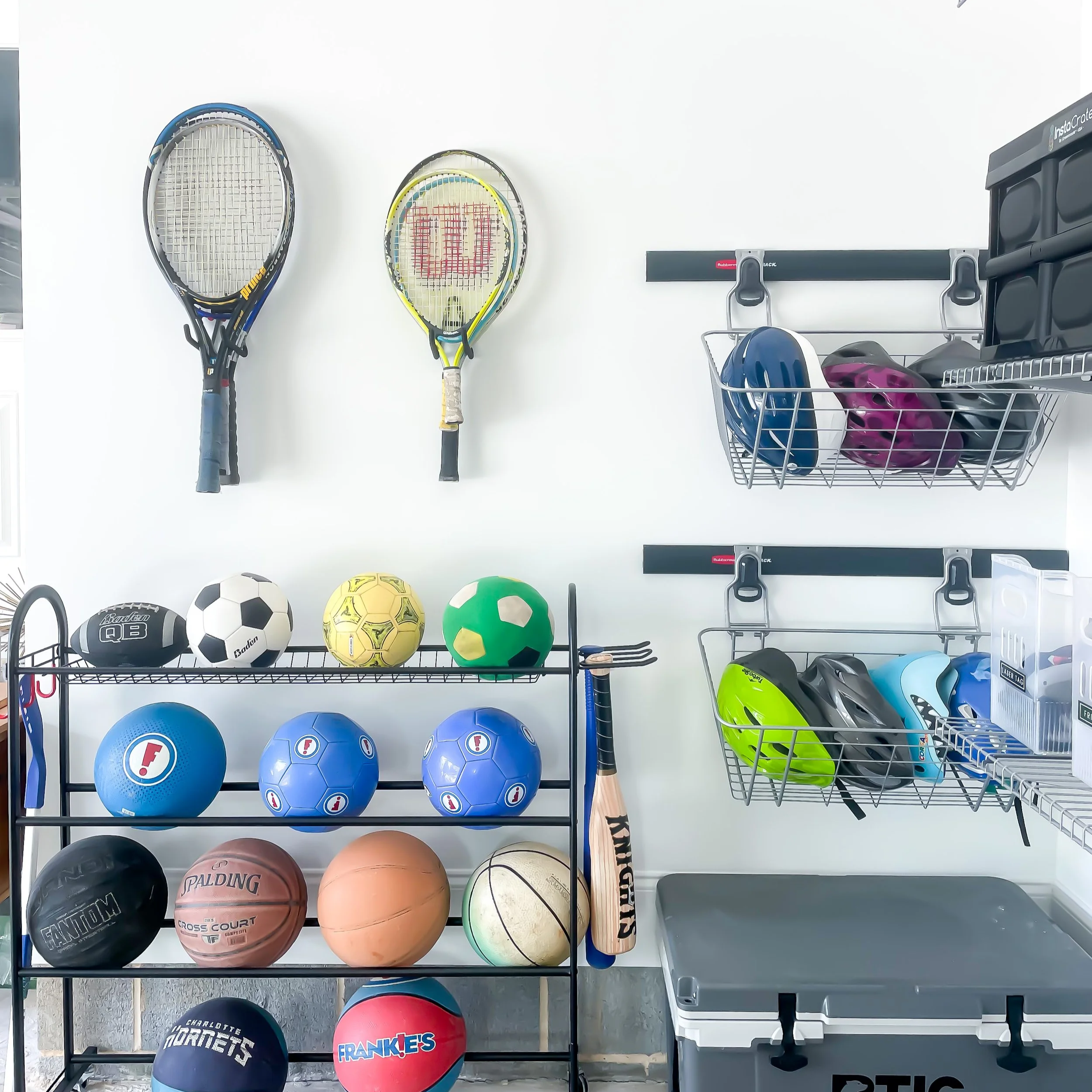
4. Creating Functional Zones and Simple Systems
Once the bigger picture becomes clear, systems can be designed around how the family actually lives.
The most sustainable organizing systems are usually intuitive, flexible, and simple enough for everyone in the household to use consistently. Because if it’s too complicated, no one uses it—including the person who set it up.
That may look like:
creating easier drop zones
reducing pantry categories
improving accessibility for kids
simplifying decisions in morning routines
or designing storage around how items are naturally used throughout the day
If you’ve ever watched backpacks pile up two feet away from where they’re ‘supposed’ to go, you know exactly what we mean.
One thing we emphasize often with clients is that organization should reduce workload, not require more of it. If something only works when everyone has extra time and energy, it usually won’t hold up long-term for a busy family.
5. Organizing With Long-Term Success in Mind
A whole-home organizing project is not just about making the house look better for one weekend. It’s about building systems that continue working long after the project is complete.
For many growing families from Lake Wylie, SC, to Ballantyne, NC, that means considering changing routines, growing kids, and constantly evolving schedules. The most effective systems are the ones that can flex and change over time instead of falling apart the moment life gets busy again.
This is also why simplifying often becomes such an important part of the process. Because keeping things organized is so much easier when homes contain less excess, less complexity, and fewer systems that require constant upkeep.
6. Creating a Home That Feels Easier to Maintain
One of the biggest shifts clients often notice after a whole-home project is not just visual. It’s emotional.
→ The house feels easier to manage.
→ Daily routines require less effort.
→ Cleanup becomes more manageable.
→ People stop feeling like they’re constantly playing catch-up.
→ The mental pressure lessens.
And often, families realize the goal was never simply “getting organized.” The real goal was creating a home that actually supports your life.