Most families in the greater Charlotte area think of clutter as a physical problem. They have too much stuff, too many piles, too many things without a place they belong. But for a lot of families—especially busy parents—the heavier part isn’t what you can see. It’s the constant mental tracking happening in the background all day long.
→ Remembering what needs to be reordered.
→ Trying to keep up with school schedules.
→ Knowing which clothes still fit the kids and which ones don’t.
→ Mentally tracking pantry inventory while making dinner.
→ Trying to remember where important papers ended up.
→ Managing backpacks, sports gear, laundry cycles, appointments, birthday gifts, permission slips, chargers, medications, and a hundred other tiny details that stack up over time.
This is what people mean when they talk about the “mental load” of running a home. And while clutter itself can absolutely contribute to stress, the real exhaustion often comes from the constant decision-making and mental management happening underneath it.
What the Mental Load Actually Looks Like
The result of a heavy mental load is not always obvious. It often shows up in smaller ways:
feeling overstimulated in your own home
constantly forgetting things
becoming irritated by minor messes
struggling to focus
feeling like your brain never fully shuts off
Many families adapt to this level of stress gradually, which is why they sometimes don’t realize how much energy their home is requiring from them until systems finally start functioning better.
When homes are disorganized, the brain is constantly working overtime, asking questions like:
Where did that go?
Did we already buy more of that?
What still needs to be done?
Why is this taking so much effort?
Over time, even simple daily tasks can start feeling disproportionately draining.
Why Clutter Increases Decision Fatigue
If you think about it, every item in a home requires some level of attention. You have to decide where it should go, whether or not you should even keep it, is it too big, too small— and whose responsibility is it, anyway?
When homes become overly full of stuff, or you have no systems in place, the number of decisions multiplies quickly. And the human brain is not especially good at managing constant low-level decision-making all day long.
That’s why clutter often feels mentally exhausting even when people can’t fully explain why. The brain is continuously processing unfinished tasks and visual information from all of the stuff around it.
That ongoing mental tension is one reason many people feel more emotionally drained in cluttered environments than they expect.
Why Disorganization Isn’t Just Physical—It’s Cognitive
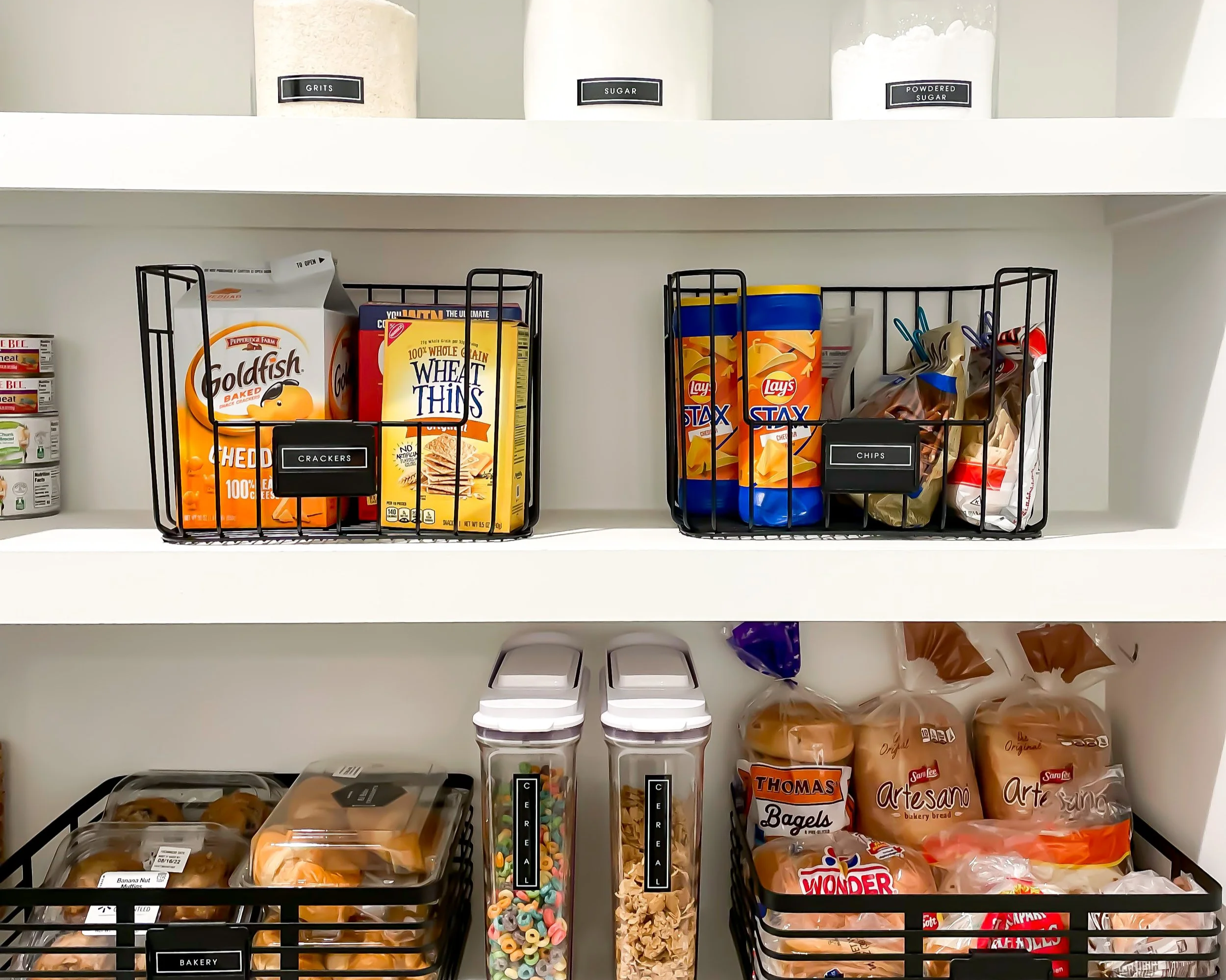
One of the biggest misconceptions about organization is that it’s mostly about appearances. The truth is, functional organization is really about reducing mental friction.
When systems work well, your items are easier to find, routines require fewer decisions, cleanup becomes more automatic, and daily life flows more smoothly.
The goal isn’t perfection, but to create a home that asks less of your brain.
For example:
clear pantry systems reduce meal-planning stress
accessible storage simplifies cleanup
intuitive drop zones prevent daily buildup
simplified wardrobes reduce morning decision fatigue
organized utility spaces eliminate constant searching
These may sound like small things individually, but together they dramatically affect how a home feels to live in every day.
How Simple, Clear Systems Reduce Mental Friction
One thing we’ve learned working with families is that complicated systems rarely survive busy life.
Things like overly detailed labels, too many categories, or storage solutions that require constant maintenance, like organizing Legos by color— systems like that only work when everyone has extra time and energy. Which, if we’re honest with ourselves, is rare.
The most effective organizing systems are usually the ones that feel intuitive and sustainable.
→ Simple enough to maintain during busy weeks.
→ Flexible enough to evolve as life changes.
→ Clear enough that everyone in the household can realistically use them.
We’re not here to create a home that looks perfect for one afternoon. The goal is to create a home that supports your family consistently over time.
That often means simplifying more than people expect. Not just simplifying belongings, but simplifying decisions.
What It Feels Like When Your Home Starts Working for You
One of the things clients often say after a whole-home project is:
“I didn’t realize how much stress the house was creating, so I started blaming the people in it. Now I see what the problem was all along.”
People blame themselves, or each other, and they assume they’re not disciplined enough. But often, the home itself has simply stopped supporting the realities of daily life.
When systems become more functional, the shift can look like this:
mornings run smoother
cleanup takes less effort
fewer things get lost
routines feel less chaotic
the home feels calmer mentally, not just visually
And over time, that shift creates something many families haven’t felt in a long time:
Breathing room to actually relax and enjoy what matters most to them.
Your Home Should Reduce Stress, Not Add to It
A functional home is not about perfection, minimalism, or maintaining magazine-level organization. It’s about creating systems that support the people living there. Systems that make everyday life feel easier, reduce unnecessary decisions, and allow routines to flow more naturally.
Because at the end of the day, organization isn’t really about containers or labels. It’s about creating a home that gives something back to your family instead of constantly pulling more out of you.
And sometimes, the biggest transformation isn’t what the home looks like afterward, but how much more enjoyable life is inside of it.