Before Reno: 7 Things to Consider When Designing Custom Storage
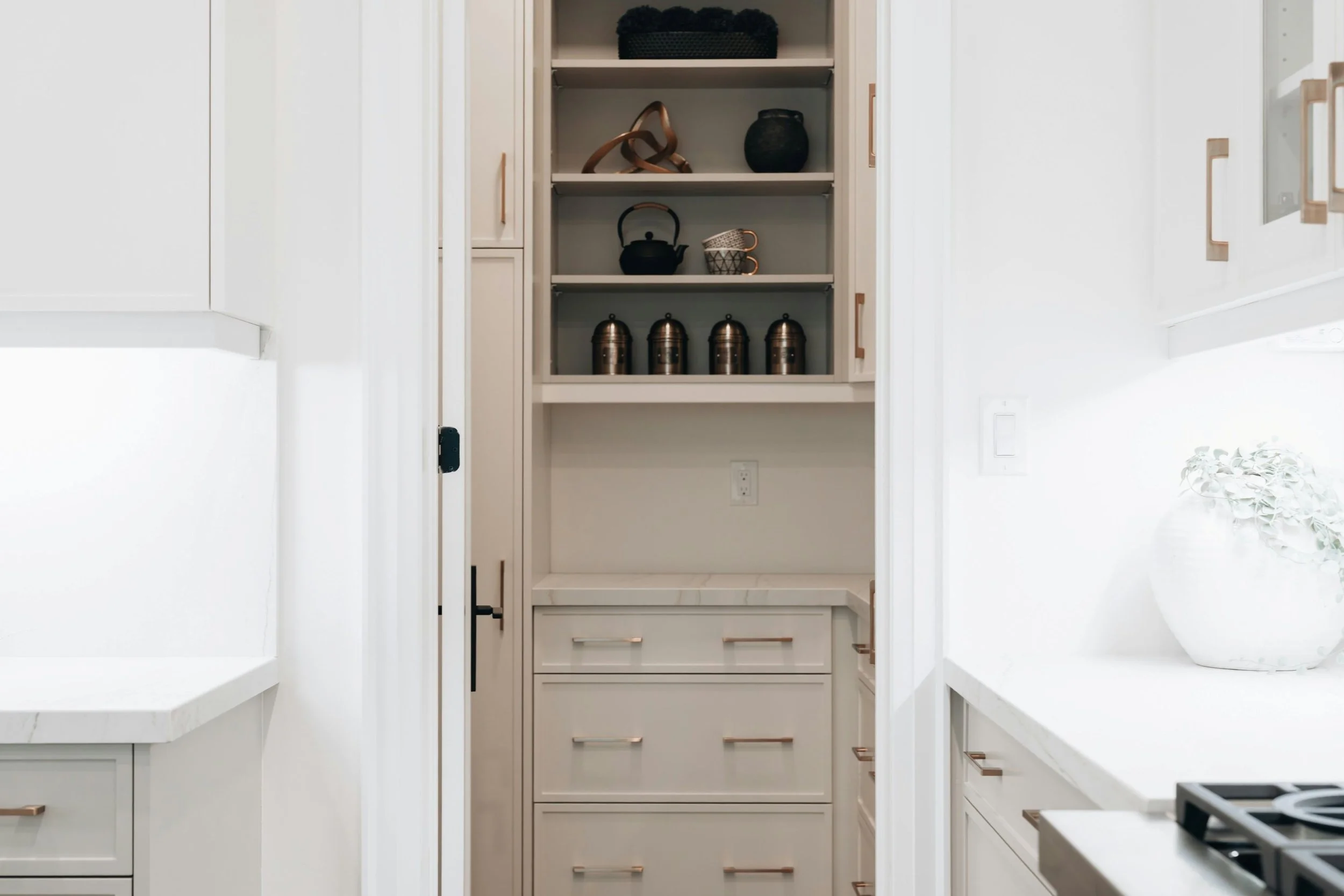
One of the biggest mistakes people make during a renovation has nothing to do with paint colors, finishes, or design style.
It’s this: designing storage before fully thinking through how the space actually needs to function for them in real life.
In our organizing work, we see beautiful custom-built storage all the time. The finishes are high-end, and everything looks impressive at first glance. But then real life moves back in, and it doesn’t take long to realize the drawers aren’t deep enough for what the family actually uses. The pantry becomes overcrowded within months. The mudrooms can’t keep up with the revolving door of activities. Or the closets look polished but don’t realistically fit the family’s routines and belongings. And suddenly, a space intended to make life easier becomes extremely frustrating and difficult to maintain.
The issue isn’t the quality of the renovation— it’s that the storage was designed primarily around aesthetics instead of how the family lives and utilizes the space.
So, before finalizing your custom storage plans, here are seven things worth thinking through first.
1. Start With Your Actual Lifestyle—Not Just Inspiration Photos
Pinterest is full of beautiful pantries, mudrooms, and closets, but what works for one family may not work at all for another. Two homes with the exact same floor plan may need completely different storage systems depending on:
how they cook
whether they homeschool
how often they entertain
their work schedules
how many kids they have
or what kinds of hobbies and activities fill their week
We see this often in growing Charlotte-area communities like Fort Mill, Ballantyne, Lake Wylie, and South Charlotte, where active family schedules, entertaining, lake living, sports, and work-from-home routines all shape how homes need to function day to day.
A family constantly managing sports equipment needs different storage than a retired couple who travels often. Someone who frequents Costco needs different pantry shelving than someone who shops local markets twice a week.
That’s why copying someone else’s storage setup rarely works perfectly in real life.
While aesthetics can absolutely be included in your list of priorities, the goal shouldn’t just be to have the prettiest pantry or closet. It’s important to create a space that actually supports your daily routines.
2. Think About What You Actually Need to Store
This sounds obvious, but it’s one of the most overlooked parts of renovation planning. Many people start designing cabinetry and shelving before fully evaluating what actually needs to live there in the end.
That’s how you end up with:
shallow pantry shelves that don’t fit your appliances or bulk items
closets with tons of hanging space but nowhere for folded clothes
mudrooms without enough storage for seasonal overflow or everyday items
or decorative built-ins that look nice but serve little purpose day to day
Before designing storage, take inventory of what your family realistically uses and needs easy access to. Ask yourself questions like:
→ What constantly piles up?
→ What gets used daily?
→ What items are hardest to manage/oddly shaped?
→ What spaces feel overloaded already?
Answering those questions can help make the storage needs significantly clearer.
3. Plan Around Your Daily Routines
One of the best ways to know whether a storage system will actually work is to think through an average weekday. Ask yourself:
→ Where do backpacks land?
→ Where do shoes pile up?
→ Where does mail naturally collect?
→ What happens during the dinner rush?
→ Where do kids drop sports gear after practice?
The most functional homes are usually the ones where people have given thought to how daily life happens there. Because when storage systems align with how your family naturally moves through the house, everything becomes easier to maintain long-term.
4. Don’t Prioritize Looks Over Function
Beautiful storage absolutely matters. But when aesthetics become the only priority, functionality usually suffers.
In the homes we visit, we often see too much open shelving, drawers that are too shallow, pantries that are too small, decorative bins hiding clutter, or cabinetry that looks stunning but doesn’t support how the family uses the room.
And unfortunately, these problems don’t always show up immediately. They show up six months later when countertops start filling up again, overflow builds, and the systems stop functioning the way people hoped they would. So keep in mind that while a space may photograph beautifully, it may be really irritating to live in every day.
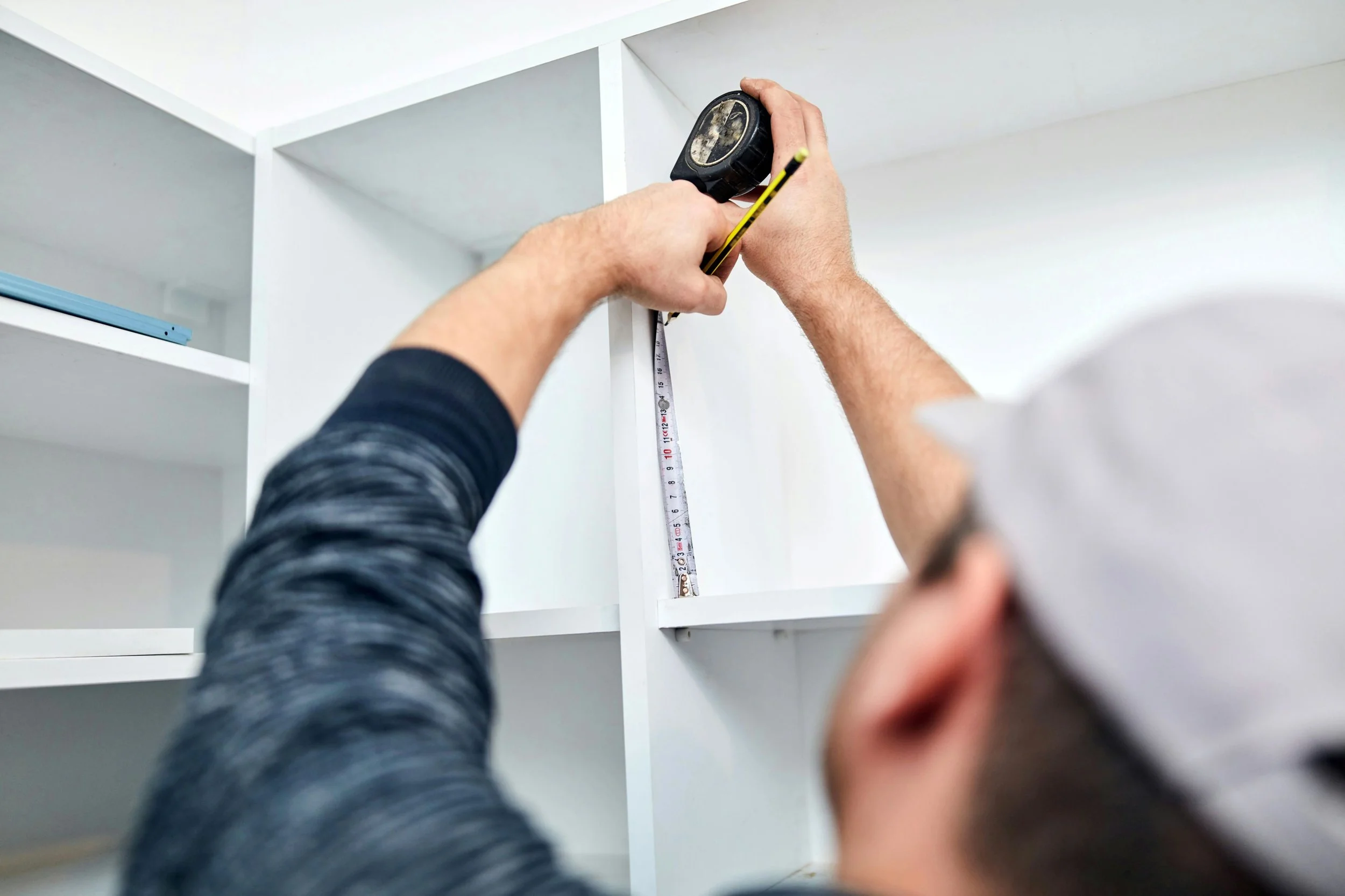
5. Measurements Matter More Than You Think
Sometimes, a few inches make the difference between a system working beautifully, or becoming frustrating fast.
In our clients' homes, we often see shelves that are too deep and create hidden clutter, closets that waste space, drawers that are too shallow to be useful, or cabinets that don’t account for the items that will be stored there.
This is one reason thoughtful planning matters so much before cabinetry is finalized. Because once everything is built and installed, fixing those issues becomes much harder—and way more expensive.
6. Leave Room for Real Life and Future Change
One mistake people often make when designing storage is assuming life will stay exactly the same. But we know firsthand that homes constantly evolve.
Kids grow.
Schedules change.
Hobbies shift.
Families move into new routines and different phases of life.
The systems that work best long-term are usually the ones flexible enough to adapt over time.
That may mean incorporating adjustable shelving, extra overflow space, simpler systems, or avoiding overly rigid categories that only work for one specific stage of life.
7. Bring Organization Into the Renovation Process Early
One of the biggest regrets we hear from homeowners is realizing too late that the storage doesn’t function the way they hoped it would.
And by that point, the cabinetry is already installed.
That’s why organization and functionality should be part of the renovation conversation early—not after layouts and storage plans have already been finalized.
Thinking through the following elements can prevent expensive mistakes later:
routines
storage habits
categories
measurements
and real-life functionality beforehand
The homes people tend to love long-term are not only beautiful, but they are the ones that make everyday life easier with efficiently designed custom storage. Because good storage is not just about fitting more into a space. It’s about creating a home that actually works well for the people living there.
And if you need support evaluating your space, your items, and coming up with a plan for functional storage solutions before renovation starts, we are here to help!