5 Signs You Need a Whole-Home Organizing Reset — Not Another Quick Fix
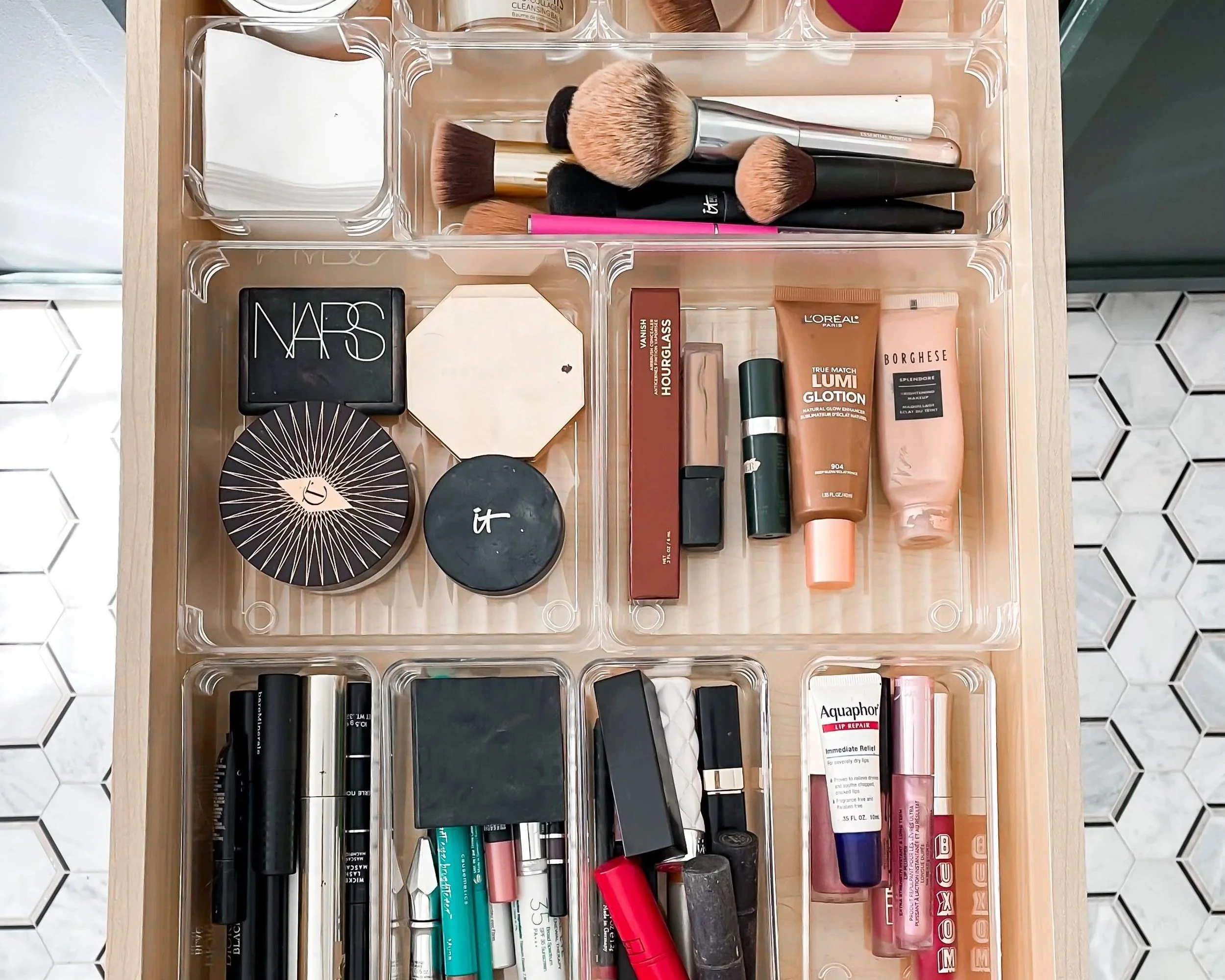
Most people don’t wake up one day and decide they need a whole-home organizing project. Usually, it starts much smaller than that.
A junk drawer that won’t close all the way anymore.
A garage that’s impossible to walk through without climbing over five things.
A pantry that seems to be housing more random stuff than food.
A growing feeling that your home just isn’t functioning the way it used to.
So naturally, most people would try to fix one small area at a time. And sometimes that does help temporarily. But if the stress keeps returning, if the clutter keeps spreading, or if the chaos of daily life doesn’t ease up, the issue may not be one room at all. It may be that the home as a whole is no longer supporting the way your family lives.
Over time, routines change. Families grow. Homes evolve. And in fast-growing areas like Fort Mill, schedules become even more full. But many organizing systems stay the same until they stop working—and eventually just add to the overall mess.
Here are five signs your home may need a larger reset—not just another quick fix.
1. You’re Constantly Tidying, but Nothing Actually Stays Organized
This is one of the biggest indicators that the problem runs deeper than surface clutter. If you feel like you’re always cleaning up but never truly getting ahead, there’s usually a reason.
You reset the kitchen, but the counters fill right back up. You declutter one closet, but the overflow immediately moves somewhere else.
At some point, constant tidying stops being about maintenance and starts becoming a sign that the systems underneath the clutter aren’t functioning well.
It often means:
there’s too much volume to manage comfortably
spaces aren’t working together
or routines aren’t being supported effectively by the home itself
A whole-home reset helps identify why things keep falling apart instead of simply cleaning up the same spaces over and over again.
2. Multiple Spaces Aren’t Working, Not Just One Problem Area
Sometimes clients initially contact us thinking they only need help with one room.
But once we start talking through daily frustrations, it becomes clear that the stress is happening throughout the whole house. And when multiple areas feel difficult to maintain at the same time, it’s usually a sign that the systems across the home are disconnected.
Homes function like ecosystems—when one area gets overloaded, it affects everything else.That’s why organizing one isolated room often results in temporary relief without creating lasting change. A whole-home approach allows the systems to work together instead of competing against each other.
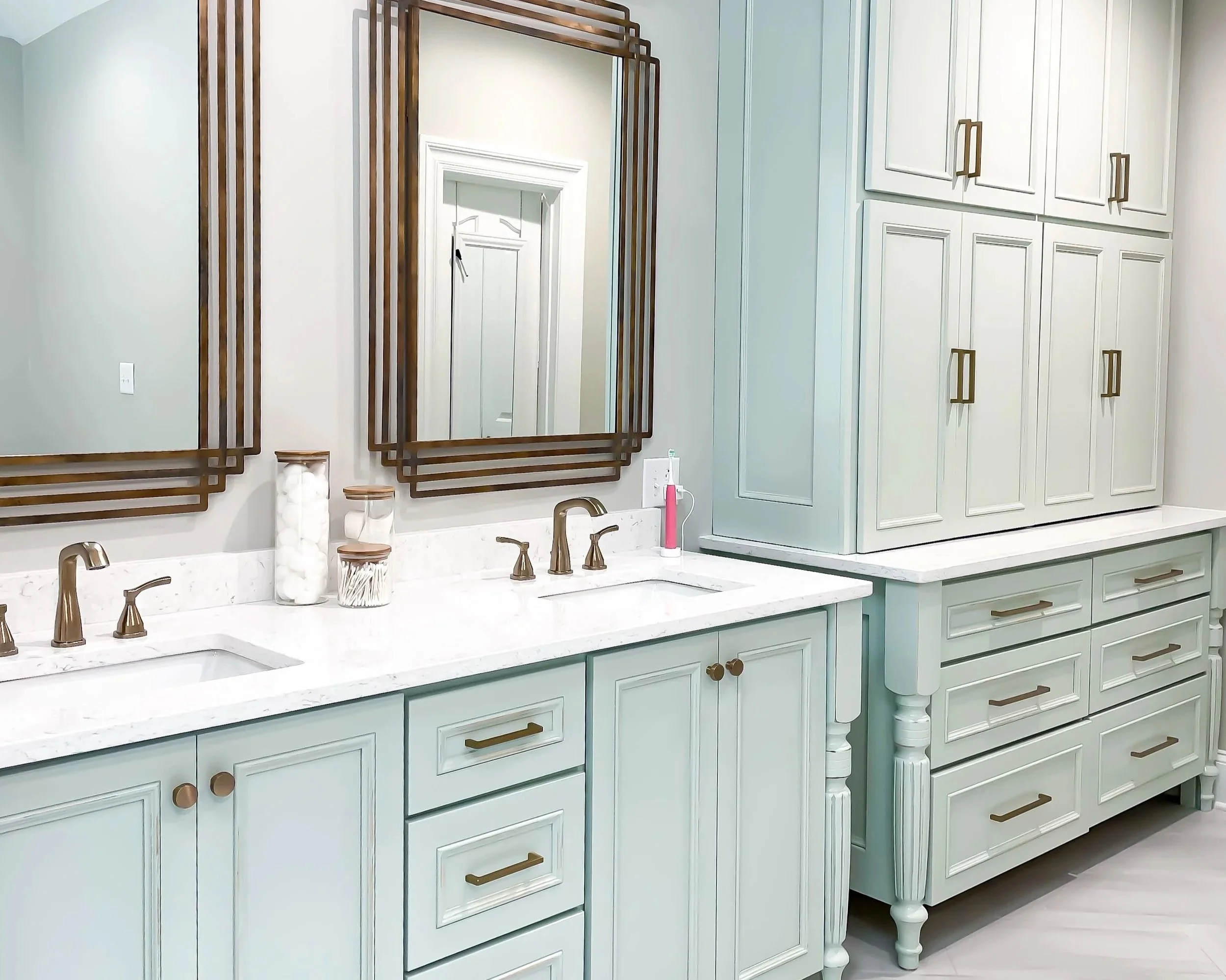
3. You’re Re-Buying Things Because You Can’t Find Them
This one is more common than people realize.
Do you find yourself buying duplicate toiletries or another phone charger yet again? Or maybe extra grocery items because no one realized there were already three in the back of the fridge?
When homes become overly full or disorganized, you stop being able to see what you actually have. People stop trusting their systems because they can’t reliably find what they need when they need it. That creates unnecessary spending, unnecessary stress, and often even more excess entering the home.
Functional organization is not just about aesthetics. It’s also about making daily life easier and more efficient. When systems are clear and manageable, families spend less time searching, replacing, and feeling mentally scattered.
4. Your Routines Feel More Stressful Than They Should
One of the clearest signs that a home needs a reset is when ordinary routines consistently feel more exhausting than they should. Mornings feel overwhelmingly chaotic, or simple chores require constant decision-making and more interruptions than necessary.
Often, people blame themselves for this. But in many cases, the environment itself is creating unnecessary friction.
When homes lack intentional systems, belongings don’t have logical homes, routines require extra steps, and families end up working around the house instead of the house supporting them.
The goal of organization is not perfection. It’s reducing friction so everyday life feels more manageable.
5. You’re Overwhelmed and Don’t Know Where to Start
Once clutter reaches a certain level, it becomes hard to even know where to begin. And this is where a lot of people get stuck for years.
The mental weight of the home starts to feel just as overwhelming as the physical clutter, and that’s usually the point when families realize they need more than just a quick fix.
But a whole-home reset creates a plan. Instead of constantly reacting to visible clutter, families can step back, evaluate how the home is functioning overall, and create systems designed around how they actually live.
And that shift alone can bring a huge sense of relief. Because then, organization stops feeling like an endless cycle of catching up and starts becoming something sustainable.
Sometimes the Problem Isn’t One Room
One of the most common things we hear from clients after a whole-home project is:
“I didn’t realize how connected everything was.”
That realization is so important because homes don’t function room by room. They function through routines, systems, and the way people move through them every day. And when those systems finally start working together, the impact goes far beyond just “looking tidy.”
Daily life feels lighter, routines feel easier, and the mental load decreases significantly.
And best of all, families spend less time managing their homes and more time actually living in them.
If your home has started feeling harder to maintain no matter how much effort you’re putting in, it may not mean you need to try harder. It may simply mean your home needs a more thoughtful reset as a whole.